Metrics every sales manager must manage
Why isn't a revenue metric enough?
And how 3 metrics completely change sales management.
A sales manager who looks at total revenue sees a partial picture.
The three metrics change that from the ground up:
Renewal
Upsell
Basket
These are metrics that define strategy.
Let's start with the first metric in this article - Renewal
Who didn't renew a service and why?
A central metric in SaaS service worlds, especially in recurring models.
The common mistake is to look at the overall renewal rate in these companies.
An overall renewal rate can look good even when the business is bleeding!
The problem is that this number doesn't show what is truly important.
Who churned.
What is really important to analyze is who the customers who did not renew are,
which segment they come from
and at what stage they left and what their usage was before leaving.
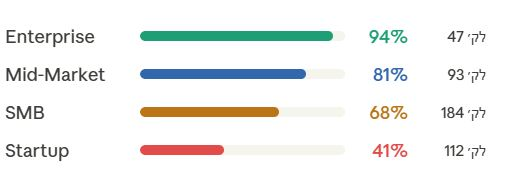
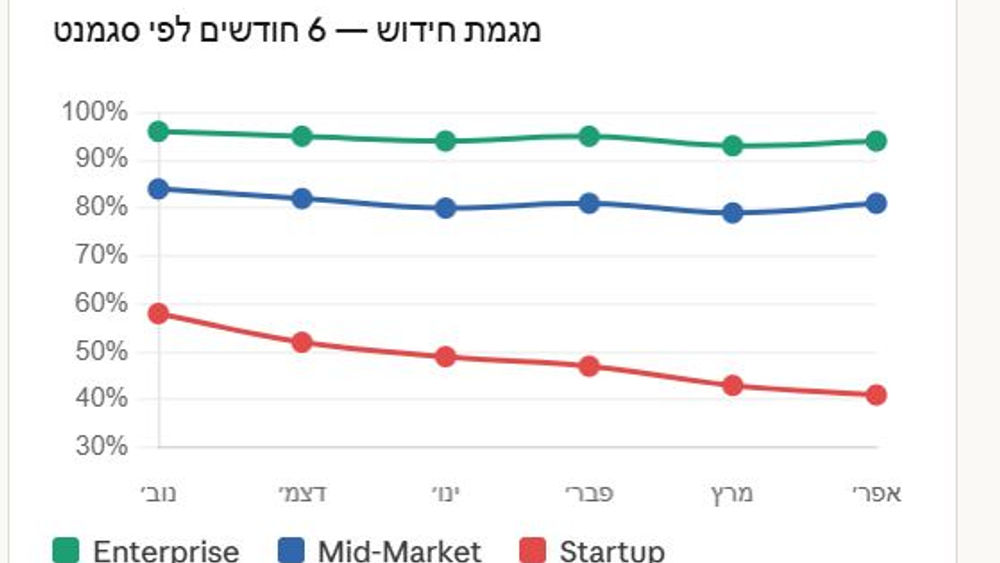
For example, the critical difference by customer type:
Enterprise
An enterprise customer who didn't renew = an exceptional event
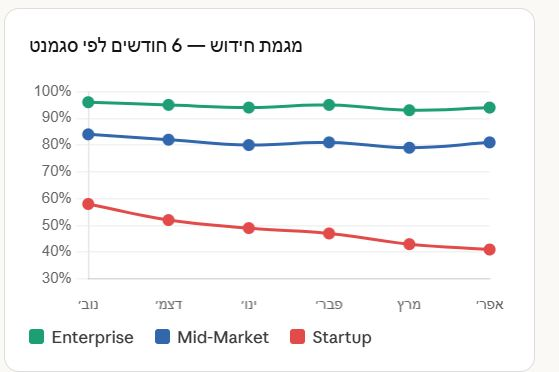
A Startup customer who didn't renew = a pattern
Why? Because
a startup customer usually changes direction all the time
The product changes
The market changes
The team changes
What was critical 3 months ago is no longer relevant today
So churn is part of the model, not an exception
(Managing segments of STARTUP customer types can also be important)
If you don't separate between customer types, you may make wrong decisions.
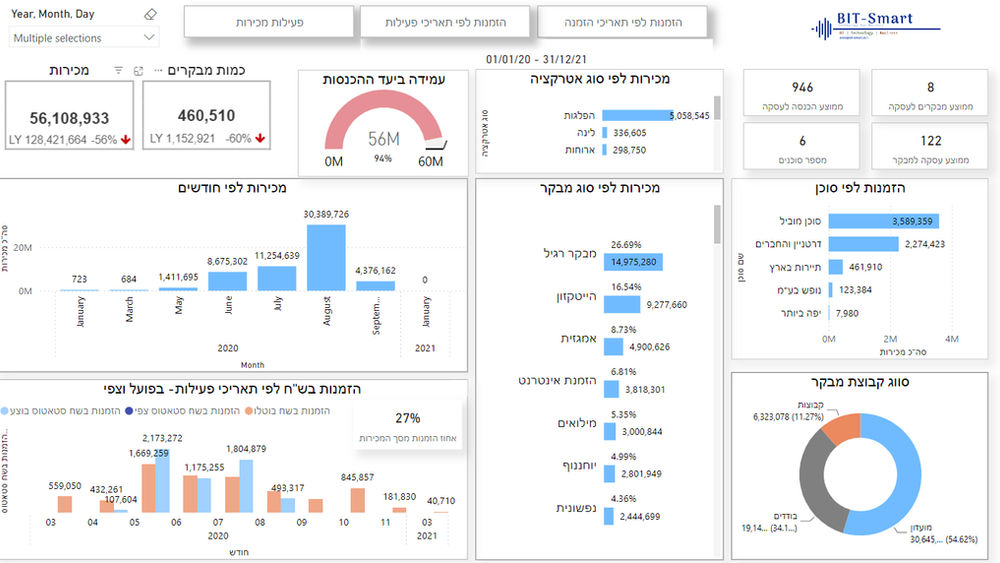
What it looks like in a dashboard
Churn by segment, product, customer size
Alert on a drop in usage before churn
Cut by Customer Journey
Where AI comes in identifying customers at risk of churn
Predicting churn by usage behavior
A recommendation for action before the customer leaves
What sales managers almost always miss -
Silent churn?
The customer doesn't leave on renewal day. They leave months earlier, in behavior.
A drop in logins
A drop in use of key features
A move to basic use only
If you don't measure this, you react too late.
2. Who is the real customer?
In Enterprise there is a gap between the decision maker and the actual user.
What happens in practice: the user stops using it, the manager doesn't know yet, and at renewal it blows up
So you also need to measure:
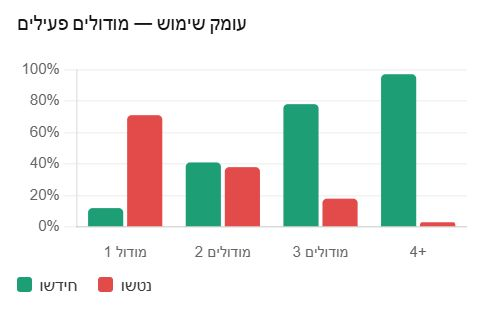
Usage by user
Usage by department
Depth of usage, not just logging in to the system
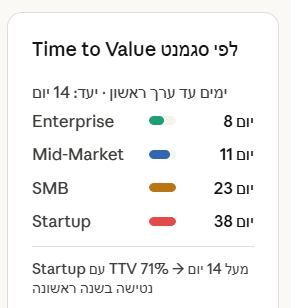
3. Time to first value? Time to Value
If a customer doesn't reach value quickly, they will almost always churn
This is a critical metric that sales managers almost never see
How much time passed until the first real use
How much time until the business result
4. Dependence on one contact / one user?
If the entire relationship with the customer is based on one person, the risk of churn jumps significantly
You also need to measure:
How many active users there are in the organization
How many contacts there are
Whether there is dependence on one person
The most important emphasis in management
Renewal
It is not an end-of-period metric, it is a daily metric
Either you manage it on the move or you discover it too late!